
Survivor-Led Peer Advocacy
MISSION
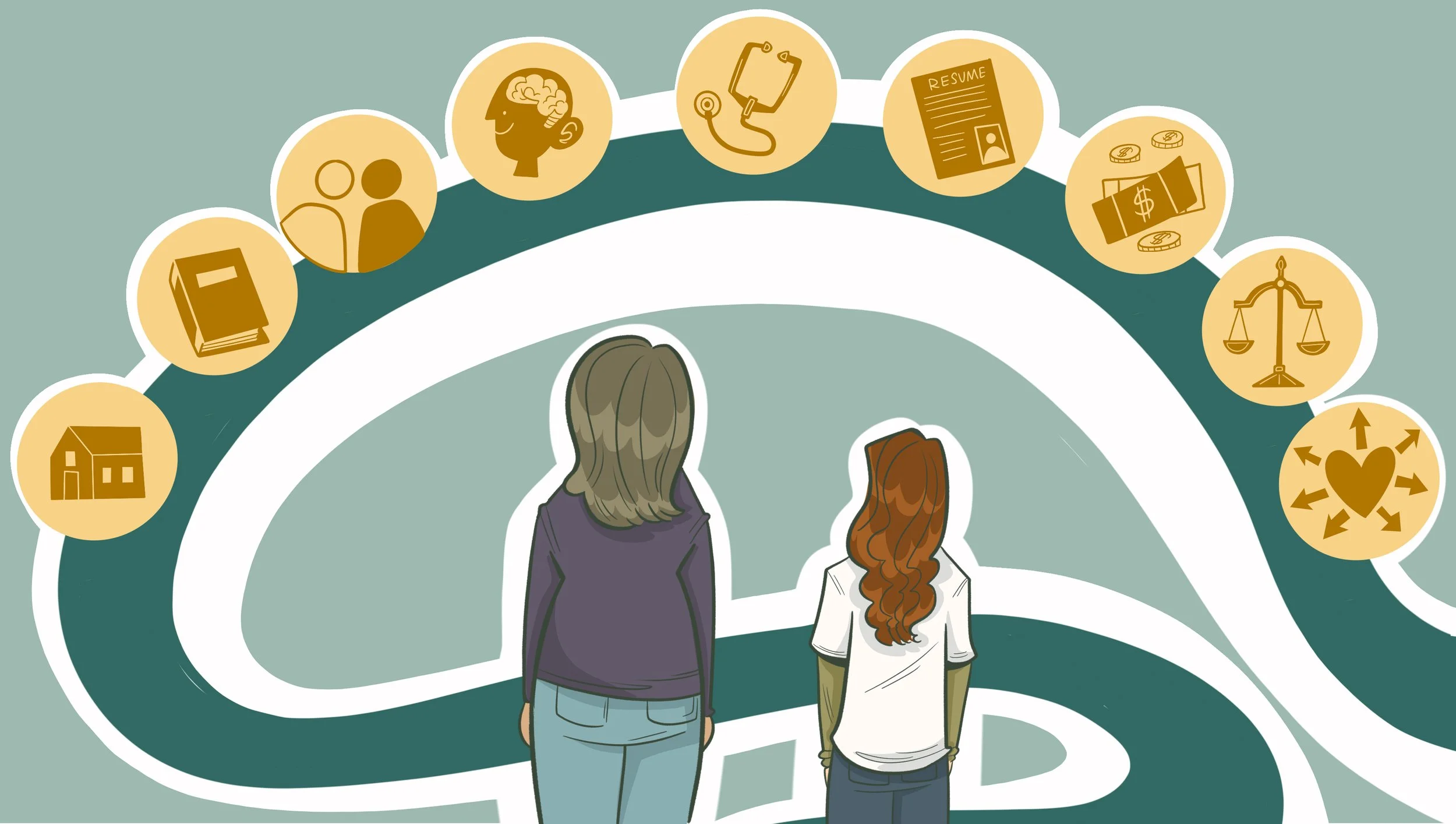
The Survivor-Led Peer Advocacy Program at Restorations is a space that has been designed by survivors for survivors of human trafficking and exploitation. The program compliments non-peer related services at Restorations as it exists to promote collaborative relationships that empower survivors.
Peer Advocates on staff are individuals with lived experience of human trafficking and/or commercial sexual exploitation. Restorations’ Peer Advocates leverage both their professional expertise and lived experiences to support organizations, professionals, and community initiatives working with survivors. This work promotes survivor-centred approaches and fosters collaborative relationships that empower survivors. At this time, our Peer Advocacy services do not include direct peer support to survivors. Our current focus is on providing consultation, training, and advocacy services.
Please note that Restorations is not a crisis response agency.
If you are in crisis, here are some resources that might be helpful.
The Empowered Caregivers Project
The Empowered Caregivers Project was born out of the lived experience, insight, and leadership of survivors.
In 2020, Restorations launched our survivor-led Peer Advocacy Program, an initiative offering direct, peer-based support to survivors. Over time, this program grew and adapted alongside the needs of our community. As awareness of human trafficking increased across Canada, one thing became clear: people were learning what human trafficking is and how to recognize it, but there was still uncertainty about how to best support survivors once identified.
It was out of this identified need for more education and the ongoing commitment of our Survivor Staff to lead change that the Empowered Caregivers Project was created.
In 2023, Restorations received funding from Women and Gender Equality Canada to develop a comprehensive, survivor-led resource: the Empowered Caregivers Toolkit. This 29-month project highlights the expertise of survivors to equip caregivers - whether family members, community supporters, or professionals in the gender-based violence sector - with practical tools and trauma-informed strategies to provide effective, compassionate care.
What began as a local survivor-led program has grown into a national effort to empower those who care for survivors, because when caregivers are equipped, communities become stronger and survivors are better supported in their healing journeys.
Features:
Free, online digital course
7 learning modules
5 videos
Reflection prompts
Worksheets to develop an individualized Empowered Caregiver Action Plan